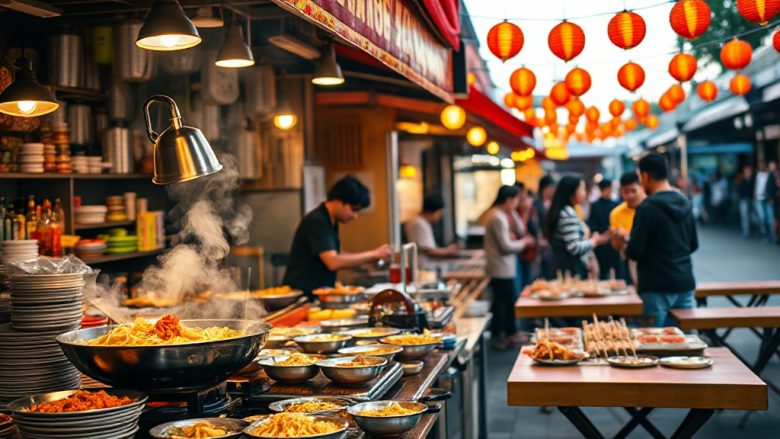
There is something irresistible about a steaming paper cone of noodles handed over a folding table, or a charcoal grill sending smoke across a crowded evening market. Street food is the most honest way to eat in any city. It is fast, it is loud, and when you get it right, it costs a fraction of what a restaurant charges. The problem is that a tight budget does not always survive contact with a food street. One skewer becomes five, a drink gets added, and suddenly you have spent the day’s food money before lunch. Eating well on street food on a tight budget is not about deprivation. It is about knowing where the value sits, how to read a stall, and how to pace yourself through a market without watching every coin.
This guide is for anyone who wants real food, real flavour and a real budget that still works at the end of the day. Whether you are travelling through a new city or just exploring your own neighbourhood, the same principles apply.
Why Street Food Is the Best Friend of a Small Budget
Street food exists because it strips away everything that makes restaurant food expensive. There is no rent for a dining room, no table service, no printed menu, no marketing budget. A vendor with one cart, one burner and one signature dish can sell at a price that would be impossible indoors. You are paying for ingredients, fuel and skill — nothing else.
That structure is exactly why street food on a tight budget works so well. The same cut of meat that appears on a restaurant plate for three times the price is often grilled on the pavement for a fraction. Portions are usually built for a quick meal, so you can buy small, taste more, and stop when you are full rather than when the plate is empty.
There is also a speed advantage. Street food turns over fast, which means ingredients are bought fresh and cooked in front of you. A stall with a long queue is not just popular; it is constantly restocking. That freshness is part of the value, and it costs you nothing extra.
Finally, street food lets you eat like a local without the local price tag. You are not paying for atmosphere or a view. You are paying for the food itself, and that is the best deal in any city.
How to Spot Good Value Before You Spend a Penny
Not every cheap stall is a bargain. Some are cheap because the portions are tiny, the oil is old, or the queue never forms. Learning to read a stall takes a few minutes and saves a lot of regret.
Start with the queue. A steady line of locals is the single best signal you will get. It means the food is consistent, the price is fair, and the turnover is high enough that nothing sits around. A stall with no customers at peak mealtime is a warning, not a hidden gem.
Look at the cooking. If you can see the grill, the wok or the pot, you can judge the pace. Fast hands, clean surfaces and a vendor who is clearly in control are good signs. If the same oil has been sitting dark for hours, or the ingredients look tired, walk on. Cheap food that makes you ill is the most expensive meal you will ever eat.
Check the menu size. Stalls that do one or two things well are almost always better value than stalls trying to cover everything. A specialist has bought ingredients in bulk, perfected a single recipe and can charge less because there is no waste. A generalist is guessing, and you pay for the guess.
Watch what the locals order. If everyone is buying the same dish, that is the dish to get. It will be the freshest, the fastest and usually the cheapest. Ordering the one item nobody else wants is how you end up with a disappointing meal and a lighter wallet.
Finally, compare portions before you commit. A stall selling a small bowl for one price and a larger bowl for slightly more is giving you a choice. Ask yourself whether the larger size is actually better value per bite, or just more of the same. Sometimes the small portion plus a second stall is the smarter move.
Budgeting Tips That Keep You Fed All Day
A tight budget does not mean you have to eat badly. It means you have to plan a little. The biggest mistake people make with street food is treating every stall as a small, harmless purchase. Small purchases add up faster than one big one.
Set a daily food number before you leave. It does not need to be strict, but it needs to exist. If you know you have a certain amount for the day, you will naturally choose the two or three stalls that matter instead of grazing all afternoon. Cash helps here. Cards make spending invisible; notes and coins make it real.
Eat your main meal at the busiest time. Street food is often cheapest and freshest when the market is full. Vendors want to move stock, and the competition is at its sharpest. Late at night, when only a few stalls are open, prices creep up and quality drops. Plan your biggest meal for the rush.
Carry your own water. Drinks are where street food budgets quietly disappear. A bottle of water from a shop costs a fraction of what you pay at a stall, and it stops you from buying sugary drinks out of thirst rather than hunger. Refill where you can, and keep a bottle in your bag.
Share portions when you can. If you are eating with someone else, one portion of several dishes is usually better value than two portions of one. You taste more, you waste less, and the total bill stays lower.
Skip the extras that do not fill you. Sauces, sides and garnishes can double the price of an otherwise cheap meal. Ask yourself whether the extra is part of the dish or just an add-on. If it is an add-on, you can usually live without it.
Keep a small buffer. Prices vary more than you expect, and the best stall of the day might be the one you find at the last minute. A little spare change means you can say yes without breaking your plan.
Best Types of Street Food for a Tight Budget
Some street foods stretch a small budget further than others. The best options share a few traits: they are built on cheap staples, they are filling, and they are quick to cook. Here is where your money goes furthest.
Noodles and rice dishes are the classic budget champions. A bowl of fried noodles or a plate of rice with a topping uses inexpensive ingredients and a hot wok, and it fills you up for hours. Look for stalls with a constant stream of orders and a visible pile of fresh vegetables.
Skewers and grilled items are great for grazing. You can buy one or two at a time, taste several stalls, and stop when you are satisfied. Meat skewers, grilled corn, and vegetable sticks are usually priced per piece, which gives you total control over spending.
Dumplings, buns and filled pastries are portable and dense. They cost little because the filling stretches a small amount of meat or vegetables across a lot of dough. A few of these can replace a full meal for a fraction of the price.
Soups and broths are often the cheapest hot meal on the street. A bowl of noodle soup or a lentil broth is filling, warming and usually made in large batches, which keeps the price down. They are also a good choice when you want something light but satisfying.
Flatbreads and street sandwiches are another strong option. A flatbread with a simple filling, or a sandwich made on a griddle, gives you carbs, protein and sauce in one hand. They are built for speed, which keeps the cost low.
Fruit is the underrated budget buy. A bag of cut fruit or a few pieces from a stall costs very little and gives you something fresh between heavier meals. It also keeps your energy up without a sugar crash.
What these foods have in common is that they are made from staples, cooked in bulk and sold fast. That is the formula for value, and it is the formula you should look for wherever you eat.
Etiquette, Safety and Getting the Most From Every Stall
Street food is a social contract. You are buying from someone who is cooking in public, often in difficult conditions, and a little respect goes a long way. Learn the local custom for ordering, pay with the right change where you can, and do not crowd the counter while others are waiting. A smile and a clear order get you better service than a rushed one.
Safety matters more than saving a few coins. Choose stalls with high turnover, watch the food being cooked, and avoid anything that has been sitting out warm for hours. If you have a sensitive stomach, start with cooked, hot food and build up. Carry hand sanitiser, and use it. These habits cost nothing and protect your whole trip.
Do not be afraid to ask questions. Most vendors are proud of what they make and happy to explain it. Ask what is freshest, what they recommend, and how much a portion is. You will often get a better meal and a better price simply by showing genuine interest.
Finally, remember that the goal is not to spend the least. It is to eat well within your means. A cheap meal you did not enjoy is not a bargain. A slightly pricier dish that you remember for years is worth every coin. Street food on a tight budget is about choosing wisely, not eating less.
Frequently Asked Questions
How much should I budget for street food per day?
It depends on the city, but a common approach is to set a daily figure that covers two solid meals plus a snack and a drink. In many places, that is far less than a single restaurant meal. Start with a number you are comfortable with, track it for a day, and adjust. The point is to have a limit, not to guess.
Is street food actually cheaper than cooking?
Not always, but it is often cheaper than restaurant food and sometimes cheaper than cooking once you factor in fuel, ingredients and time. The best value comes from stalls selling staples in bulk. If you are staying somewhere with a kitchen, mixing street food with simple home cooking can stretch a budget even further.
How do I avoid getting sick from street food?
Choose busy stalls with high turnover, watch your food being cooked in front of you, and avoid anything that has been sitting out. Hot, freshly cooked food is the safest bet. Carry hand sanitiser, drink bottled or treated water, and trust your instincts — if a stall looks dirty or the vendor seems careless, walk away.
What if I do not speak the local language?
Pointing, smiling and holding up the right number of fingers works almost everywhere. Learn a few words for please, thank you and how much. Many vendors will help you, and some will offer a smaller portion if you ask. Gestures and patience go a long way.
Can I eat well on street food if I have dietary restrictions?
Yes, but you need to be more careful. Look for stalls that cook simple dishes you can see, and ask about ingredients. Vegetarian options like noodles, rice, flatbreads and fruit are usually easy to find. If you have a serious allergy, stick to stalls where you can clearly see what is going into the food.